 Analysis by Gamescozy
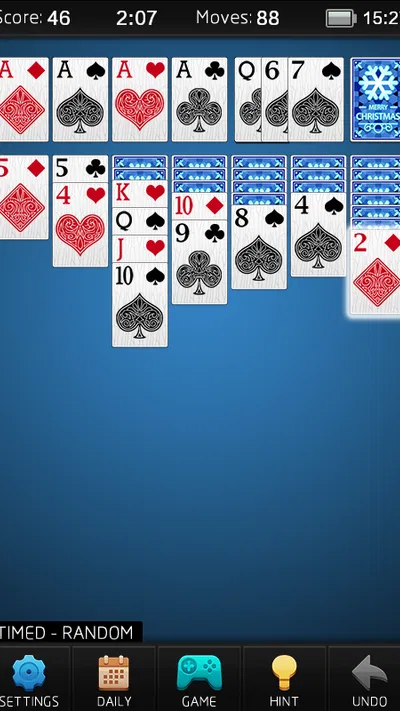
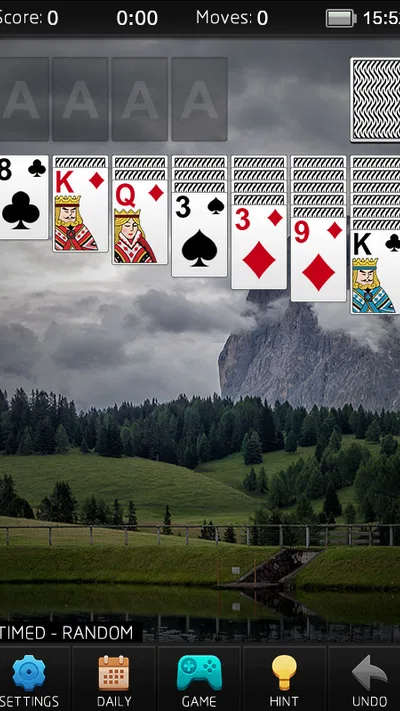
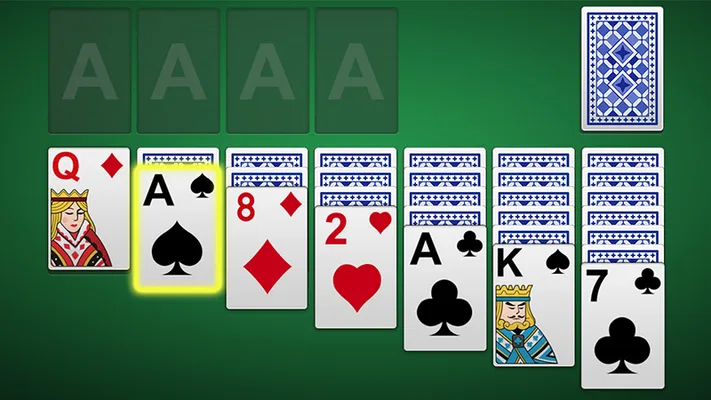
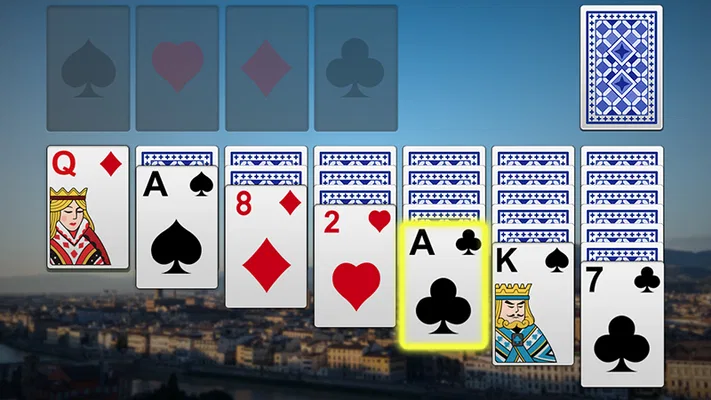
When I want a quiet card game that asks for attention without demanding a long session, solitaire is usually a safe choice. Mouse Games’ Solitaire keeps that familiar appeal: it is a free card game for Android built around a simple idea, sorting the cards through patience and a little planning. What matters most here is not a sprawling collection of modes, but how readily this kind of game fits into spare minutes.
A familiar puzzle that works in short bursts
Solitaire is the sort of game I can open while waiting for a kettle, taking a break, or sitting through a journey. A round gives me a small problem to solve, then lets me put the phone away when I reach a stopping point. That makes it more useful as a casual habit than as a game I would set aside an evening to master.
The basic appeal is the steady sequence of decisions: which card to move, what to uncover, and whether a move opens up more options or closes them off. Even when the rules are familiar, a layout can make me pause and reconsider. That modest mental effort is the reason solitaire remains satisfying without a story, a cast of characters, or a complicated tutorial.
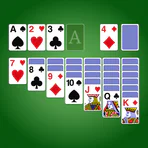
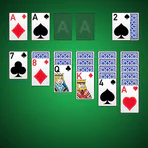
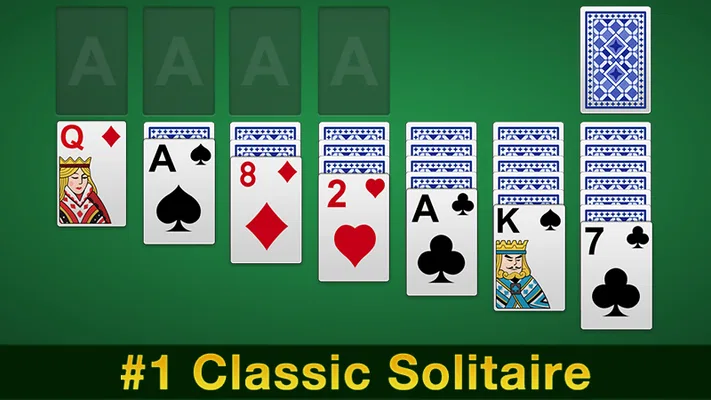
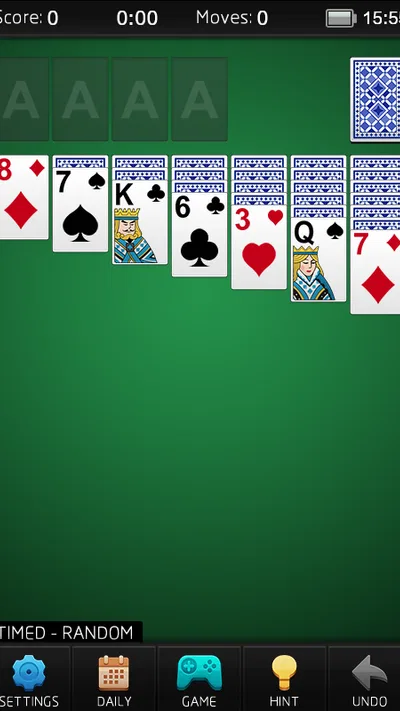
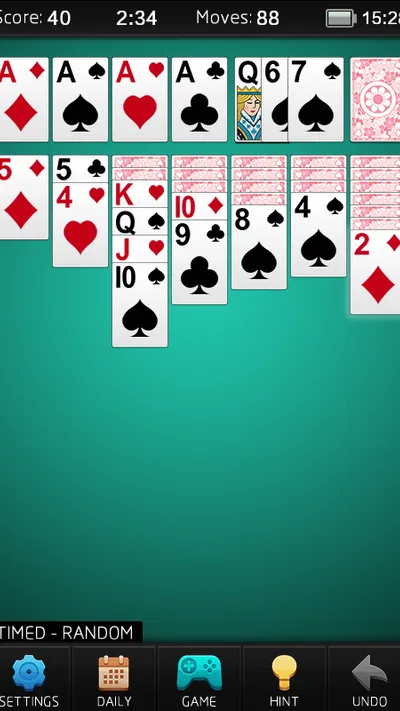
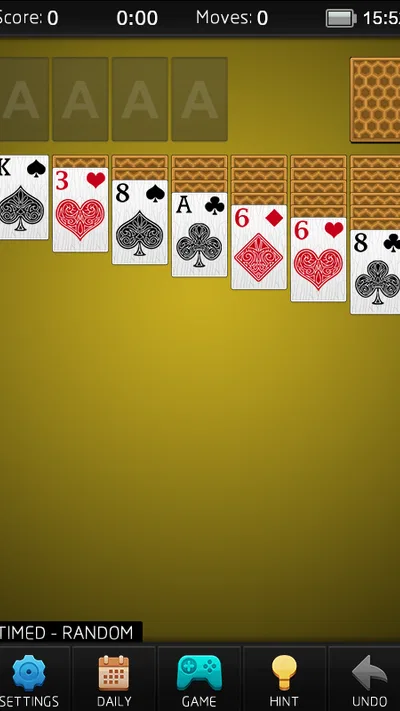
The app is listed as a card game and is developed by Mouse Games. Its description is simply “Solitaire,” which is an accurate picture of the central experience: a recognizable patience-style game rather than a broader card collection. If you already know the usual rules, you can get to the point quickly; if you do not, the appeal is still easy to understand by watching how the cards can be arranged.
Why the familiar format is the main feature
With a game this established, familiarity can be a strength. I do not need to learn a new theme or system before a round makes sense, and I can focus on the layout itself. The challenge comes from making the best of the cards in front of me, not from remembering a growing list of special rules.
That focus also sets expectations. This is a better fit for someone who wants a straightforward solo card puzzle than for someone looking for a campaign, competitive play, or a stream of different activities. I would choose a more varied card app if I wanted several games in one place; I would choose this one when I specifically want solitaire without extra layers getting in the way.
How I approach a round
My first instinct is often to move the card that is immediately playable. I have learned to pause before doing that. A move that looks convenient can use a space or uncover a card in a way that limits the next choices, so I try to look across the layout first and ask which move is most likely to reveal something useful.
A practical habit is to treat newly uncovered cards as the priority. If one move exposes a face-down card and another merely shifts an already visible card, I usually consider the reveal first, unless it blocks a more important sequence. This small check makes a familiar game feel less like random shuffling and more like a puzzle I can reason through.
I also avoid moving cards simply because they can move. Leaving a card where it is for a moment can preserve a useful sequence, especially when I have not yet worked out what a new opening will enable. Solitaire rewards a little patience twice over: the game itself is about patience, and good play often means not rushing the first legal move.
When I get stuck, I mentally rewind the last few decisions rather than starting over immediately. That helps me spot whether I overlooked a possible move or whether the layout has genuinely run out of useful options. It is a low-pressure way to improve, and it makes short sessions feel worthwhile even when I do not finish a round.
A small workflow for interrupted play
Because I use solitaire in spare moments, I try to leave each session at a natural pause rather than keep playing just to force a win. If I have only a minute, I make one or two thoughtful moves and stop. If I have longer, I can follow the consequences and make a fuller attempt. This is more satisfying than treating every opening of the app as a commitment to finish.
That approach is especially useful during an everyday wait. Imagine being early for an appointment: a quick round gives your attention something concrete to do, but it does not require the continuous focus of a multiplayer match. If your name is called or plans change, you can put the phone down without letting teammates down or losing your place in a shared activity.
For a calmer session, I would also avoid playing while trying to do another task that needs careful thought. Solitaire is easy to pick up, but a distracted move can make the layout harder to read. I get more enjoyment when I give it a few minutes of attention instead of tapping through cards automatically.
Where it fits among other card games
Compared with a competitive card game, solitaire removes the pressure of an opponent and the need to respond on someone else’s schedule. That makes it a better choice for waiting rooms, quiet breaks, and moments when I want to think without talking or coordinating. The tradeoff is that there is no social back-and-forth to make a session feel different each time.
Compared with apps that bundle several card games, a focused solitaire title is easier to approach when I know exactly what I want to play. The downside is equally clear: if I get tired of this format, there is no reason to expect a different kind of card game to take its place. I would not install it as my only card app if variety were my main goal.
There is also a difference between a casual puzzle and a strategy game that builds around long-term progression. Solitaire gives me immediate decisions, but its appeal is in repeating the core challenge, not in following a story or developing a character. Players who need unlocks, elaborate objectives, or a strong sense of advancement may find that simplicity too spare.
Good value, with straightforward expectations
The game is free, and its broad reach suggests that the format has found a large audience: it has more than ten million installs, alongside an average rating of 4.5 from around 233,000 ratings. Those figures are useful context, but they do not tell me whether every player will enjoy the same uncluttered style. I would treat them as reassurance that this is an established choice, not as a promise that it will suit every taste.
It is rated for Everyone, so its basic card-puzzle premise is suitable for a broad audience. The listed release date is January 18, 2017, and the current version is 5.9. It supports Android 4.0 and later, which gives it a wide compatibility range for Android devices that can run that system version.
For a free game, the key question is less about a purchase decision and more about whether the experience matches what you want from your phone. If you are after a quick solo diversion, the format makes sense. If you are wary of games that keep asking for attention through elaborate systems, this one’s simplicity may be exactly the point; if you expect a deep feature set, it may feel limited.
The limits I would keep in mind
The same consistency that makes solitaire easy to return to can also make it feel repetitive. The central decisions remain familiar, and a player who already spends a lot of time with patience games may not find enough variation here to hold their interest. I would not choose it for novelty; I would choose it for a reliable, low-pressure puzzle.
Another limitation is that a solo card game can become a habit of tapping rather than thinking. When I rush, I enjoy it less and make worse decisions. Taking a moment to scan the layout improves the experience, but it also means this is not ideal when I only have a few distracted seconds and cannot focus at all.
Finally, solitaire is inherently self-directed. There is no opponent to create urgency and no shared result to discuss, so it can feel quiet to the point of isolation if you want a social game. For that mood, a multiplayer card game or a board game app with friends would be a better pick.
Who is most likely to enjoy it
I would recommend Solitaire to someone who already likes patience-style card puzzles, wants a free game for brief breaks, or prefers a low-stakes activity they can play alone. It is also a sensible option for people who do not want to learn a complicated system before getting started. The simple format gives each round a clear purpose without asking for a large time investment.
I would steer away from it if your main goal is variety, competition, a narrative, or substantial progression. It is also not my first choice when I want a game that rewards quick reflexes or keeps a group involved. Those are not faults in a solitaire game, but they are useful boundaries when deciding what to install.
My best advice is to play slowly enough to notice what each move opens, especially when a card can be revealed. That single habit makes the familiar format more engaging and helps a short session feel deliberate rather than automatic. For an uncomplicated card puzzle to fill a quiet gap, Solitaire is an easy recommendation; for a richer or more social experience, I would look elsewhere.